Heart rate variability (HRV) is a key indicator of your body’s stress levels and overall health. It measures the time between heartbeats, and the more variation, the better your body can adapt to stress. A higher HRV usually means you’re in a relaxed state, while a lower HRV can indicate that your body is under strain. Keeping an eye on your HRV can really help you understand how to manage your well-being.
Tracking your HRV can reveal a lot about your body and mind. When you monitor your HRV regularly, you can see how your lifestyle choices affect your stress levels. For instance, if you notice a drop in HRV after a late night or a stressful day, it’s a sign that your body needs some extra care. This insight can guide you toward healthier habits.
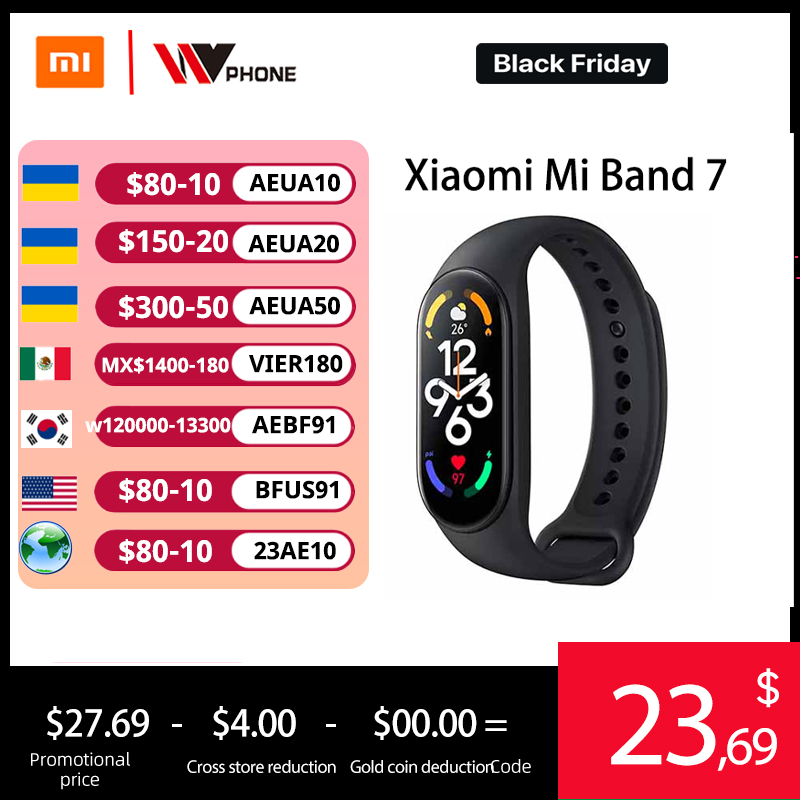
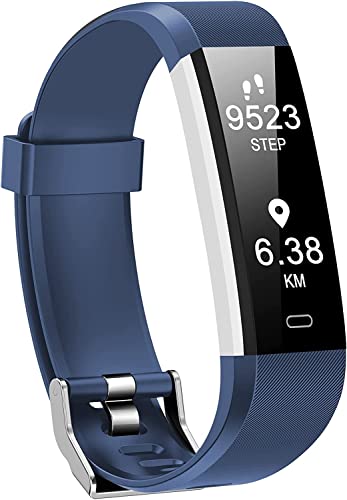
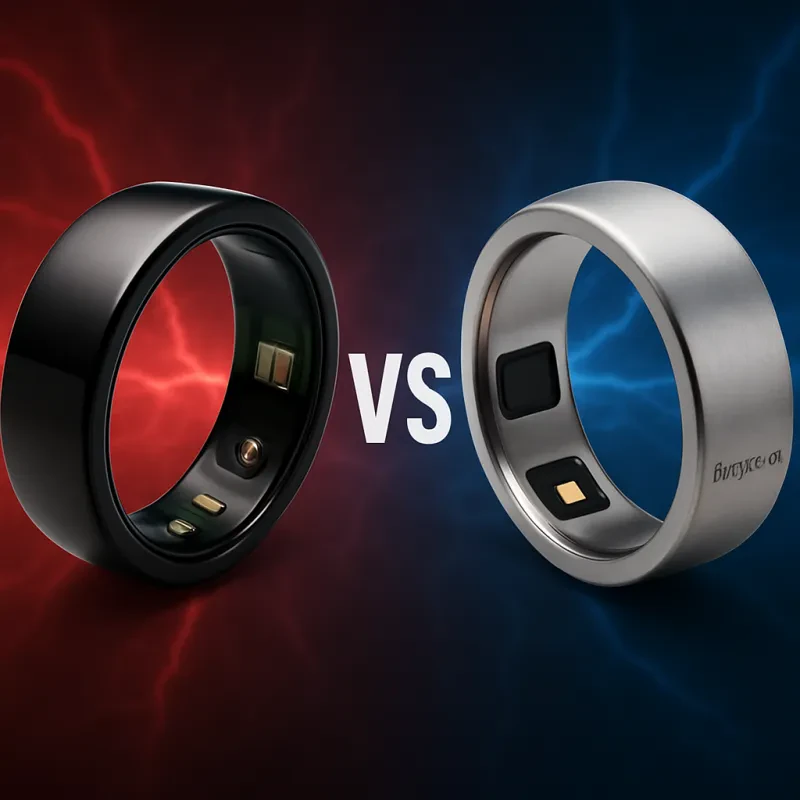
Wearable tech is a great way to keep tabs on HRV without making it a chore. Many fitness trackers and smartwatches come with built-in HRV features. You just wear them, and they give you feedback on how your body is handling stress. Options like the Apple Watch or the Whoop Strap make this super easy, often even reminding you to take a breather or engage in calming activities. It’s a simple and straightforward way to know how to track HRV effectively.
When you understand your HRV, you can take proactive steps to prevent burnout and illness. Maybe you’ll decide to fit in more relaxation time, adjust your sleep habits, or prioritize mental wellness activities like meditation or yoga. These tweaks can lead to big benefits in how you feel day-to-day and in the long run. Keep an eye on your numbers, and you’ll be well on your way to feeling your best!
How HRV Helps with Illness Prevention
Monitoring your Heart Rate Variability (HRV) can be a game-changer for keeping illness at bay. HRV reflects how well your body handles stress, both physical and emotional. When your HRV is lower, it often means your body is under more strain. If you keep an eye on this, you can spot trends before they turn into bigger problems.
So, how does this work? Imagine HRV as your body's alert system. A sudden drop in HRV could signal you need more rest, better nutrition, or simply to take it easy for a bit. By learning how to track HRV, you can be proactive about your health. Regularly checking in with your HRV can give you insights into your well-being, helping you dodge burnout or illness before they start.
It's pretty straightforward to track HRV these days. Many wearables and apps can do the heavy lifting for you. Just strap on your fitness tracker or open up that wellness app, and you’re good to go. The best part? You don’t need to be a fitness guru to figure it out. These tools provide easy-to-read data that helps you make informed choices about your health.
For instance, if you notice that your HRV drops after a few sleepless nights, it’s a red flag. You might want to make sleep a priority, cut back on caffeine, or incorporate some relaxation techniques. Recognizing these patterns can empower you to take control of your health, helping you feel your best consistently.
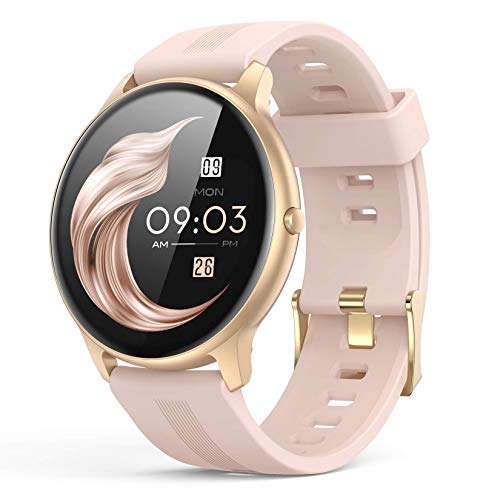
AGPTEK Waterproof Smartwatch with Heart Rate Monitor
Stay connected and track your health effortlessly, even during your toughest workouts
Product information
$43.99
Product Review Score
4.57 out of 5 stars
202 reviewsProduct links
Recognizing Burnout Signs with HRV
Burnout can sneak up on anyone, and knowing the signs can make a huge difference. One way to keep tabs on your stress levels is by tracking Heart Rate Variability (HRV). So, what should you look for? Changes in your HRV can signal that you’re getting overwhelmed or approaching burnout.
When HRV drops consistently over time, it might be your body's way of saying, "Hey, you need to take a break!" This drop can be linked to poor sleep, increased stress, or simply pushing yourself too hard. If you notice your HRV isn't bouncing back after stressful moments, that's a clear sign to hit pause.
Feeling more irritable, having trouble concentrating, or experiencing fatigue? These feelings often coincide with a decrease in HRV. You might find that staying in tune with your HRV gives you the insight you need to recognize when it’s time to slow down. Pay attention to the data and how you feel; it can really help you stay ahead of burnout.
Learning how to track HRV isn’t just for fitness enthusiasts. It's useful for anyone looking to maintain a healthy balance in their life. With the right wearable technology, you can easily monitor your HRV and notice when it tips in the wrong direction. Keeping track can empower you to make choices that boost your well-being and avoid the symptomatic spiral into burnout.

Polar H10 Bluetooth Heart Rate Transmitter
Maximize Your Workout with Precise Heart Rate Tracking
Product information
Product Review Score
4.79 out of 5 stars
60 reviewsProduct links
Simple Ways to Monitor Your HRV
Monitoring your heart rate variability (HRV) doesn’t have to be complicated. Whether you're just getting started or looking to enhance your wellness routine, there are simple ways to track this vital health metric. You can dive right into how to track HRV with just a few easy steps.
First off, investing in a good smartwatch or fitness tracker can make a huge difference. Many of these devices come with built-in HRV measurement features that are easy to use. Just wear it regularly, and you’ll start to get insights into your HRV without having to do much extra work. Look for models that provide clear data and make it simple to monitor changes over time.
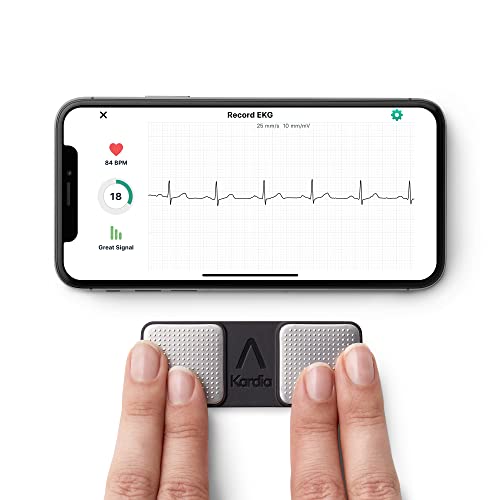
If you prefer the traditional route, you can track your HRV manually using an app on your smartphone. There are several user-friendly apps available that guide you through the process. Most require you to take a few minutes to sit quietly and breathe deeply while they record your heart rates. Just follow their prompts, and you’ll have your HRV data ready in no time.
For those who really want to geek out on their HRV, consider using a heart rate monitor chest strap. These tend to be really accurate and give you a clear picture over time. Combined with an app, they can give you detailed analysis and trends in your HRV, making it easier to spot when something feels off. Plus, you get that sense of accomplishment from tracking your progress!
Remember, the key is consistency. Whichever method you choose, keeping a regular check on your HRV will help you notice patterns. This can be crucial in spotting early signs of stress or burnout, helping you make informed decisions about your health. So don’t overthink it—pick a method that fits your lifestyle, and start monitoring your HRV today!